


Chardonnay remains a tale of two worlds. One way to consider that proposition is by pondering the polarized old and new world style profiles. But even setting continental divides aside, the two tales of Chardonnay remain conflicted inside the US. I was reminded of this when the folks at Harvest PR & Marketing got in touch with me during their work on the inaugural release of Domaine Serene 2010 Evenstad Reserve Chardonnay.
We had a discussion based on, among a few other things, these questions:
- Are you familiar with Domaine Serene?
- How often do you drink Chardonnay, and for what occasion(s)?
- What’s your experience with Willamette Valley Chardonnay (and/or Dijon clones), and how do you think it compares to Chardonnays of other regions?
- How would you describe Chardonnay’s current reputation among your readers and consumers?
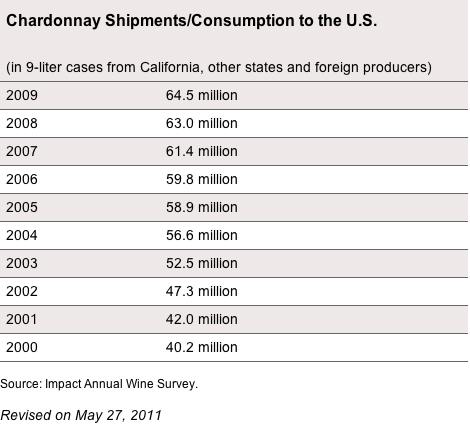 I am quite familiar with Domaine Serene’s outstanding Pinot Noir program, don’t drink Chardonnay nearly as much as I used to, and have little experience with the variety in Willamette. Question #4 was an intriguing one and it gave away the PR and marketing challenge Domaine Serene confronted; what is Chardonnay’s reputation with readers and consumers? In one Chardonnay tale reported on by the Wine Institute, it is “the most widely planted winegrape (95,271 acres) and ..the most popular wine in the U.S….with sales increases every year….28 percent of California’s table wine volume shipped to the U.S. market in 2010.” Face value, the consumer data is all green lights.
But in a separate Chardonnay tale, the once familiar ABC (anything but Chardonnay) tale, more selective consumers have said “no” to Chardonnay and searched for white wine substitues. The truth to tale #2 is now better understood as the outcry for fruit-not butter and oak, and wines with balance and acidity to make you salivate and that taste good with food. While I used to drink a lot more Chardonnay through the mid 90’s, I did get tired picking through a sea of imbalanced, heavily-oaked and caramel renditions in search of the pinpoint balance and fruit focus that makes Chardonnay a world class wine. Still, so many of the younger wine drinkers (meaning under 40) I know resist Chardonnay, replaced by “hipper” Albarino, Pinot Grigio, Godello, Chenin Blanc, Riesling, Gruner Veltliner, and a longer list of white varieties you can’t easily spell or pronounce.
Somewhat guilty myself, I moved around with my head down these past ten years, lured to the Loire Valley, Burgundy, Galicia, Lombardy,and elsewhere,…getting caught up in discovery and failing to check back in on American winemakers now paying homage to the more traditional Burgundian Chardonnay treatment that at least one significant piece of the market has been screaming for more of. For sure, the vast US acreage planted to Chardonnay is supported by plenty of bulk gooey, oaky, buttery chardonnay being poured all over town, but not for the people I drink wine with. I remember opening a delicious bottle of 2005 L’angevin Heintz Vineyard Chardonnay upon arrival at a wine tasting and watching in amazement as many said “no thank you” when they recognized the Chardonnay bottle shape. That kind of formed bias continues to play out in restaurants and wine shops all around America. But, is it possible that high end domestic winemaking has been running to catch up to the market and it’s still enough of a secret to keep a piece of the potential Chardonnay market sidelined?
 I was curious and sympathetic to the Domaine Serene cause because I knew they were up against it if indeed they were going to rely on their Dijon clones to produce Chardonnays that the upper end of the market will stand up and notice. In exchange for all my jabbering, Domaine Serene’e Allan Carter sent me a bottle of the 2010 Evenstad Reserve Chardonnay, blended from the Cote Sud (47%), Clos du Soleil (23%), Clos du Lune (16%) and Etoile (14%) to taste after just ten days in the bottle. He sent it alongside their monumental, silky, gorgeous, herb tinged, fruit forward Evenstad Reserve Pinot Noir made in the great 2008 Oregon vintage, just as a matter of context and to demonstrate the abiding quality of the Chardonnay.
If there are more Wilamette, Oregon, or California Chardonnays produced in this style then I have been missing out on something important. The 2010 Evenstad Reserve Chardonnay has a very light yellow hue, and at first a restrained lemon peel aromatic is all you get, followed by a feint touch of lees as the wine opens. The wine goes on to provide a totally clean palate impression, with wet slate and resin aromas. It offers a delicate impression while expressing pure Chardonnay fruit, with always present acidity that gets the juices flowing, but stops short of being overly edgy. The wine’s purity, cleanliness,and absence of wood reminds me of austere Chablis. The wine, in two words, is mind blowing. All the PR babbling about natural wines, clonal legacies, first to plant, and Burgundian style aside, this Chardonnay demonstrates what it will take to regain the attention of the serious upper end of the informed wine market. And with the freedom for winemakers to style and blend Chardonnay as they please, the landscape is wide open for a high end Chardonnay revival.
I never would have been able to guess this was a US Chardonnay. That’s my fault because I have not been keeping pace, going along and ignoring Chardonnay because of the wanderless and uninteresting style the varietal adopted as it was popularized and heavily planted. Bravo Domaine Serene, you have turned my head and produced a Chardonnay of stunning beauty and grace, just like it’s supposed to be.
Note: The wines reviewed here were provided as complimentary press samples. Information regarding availability, production, or pricing was not available at the time this was published. The information will be added as it becomes available.